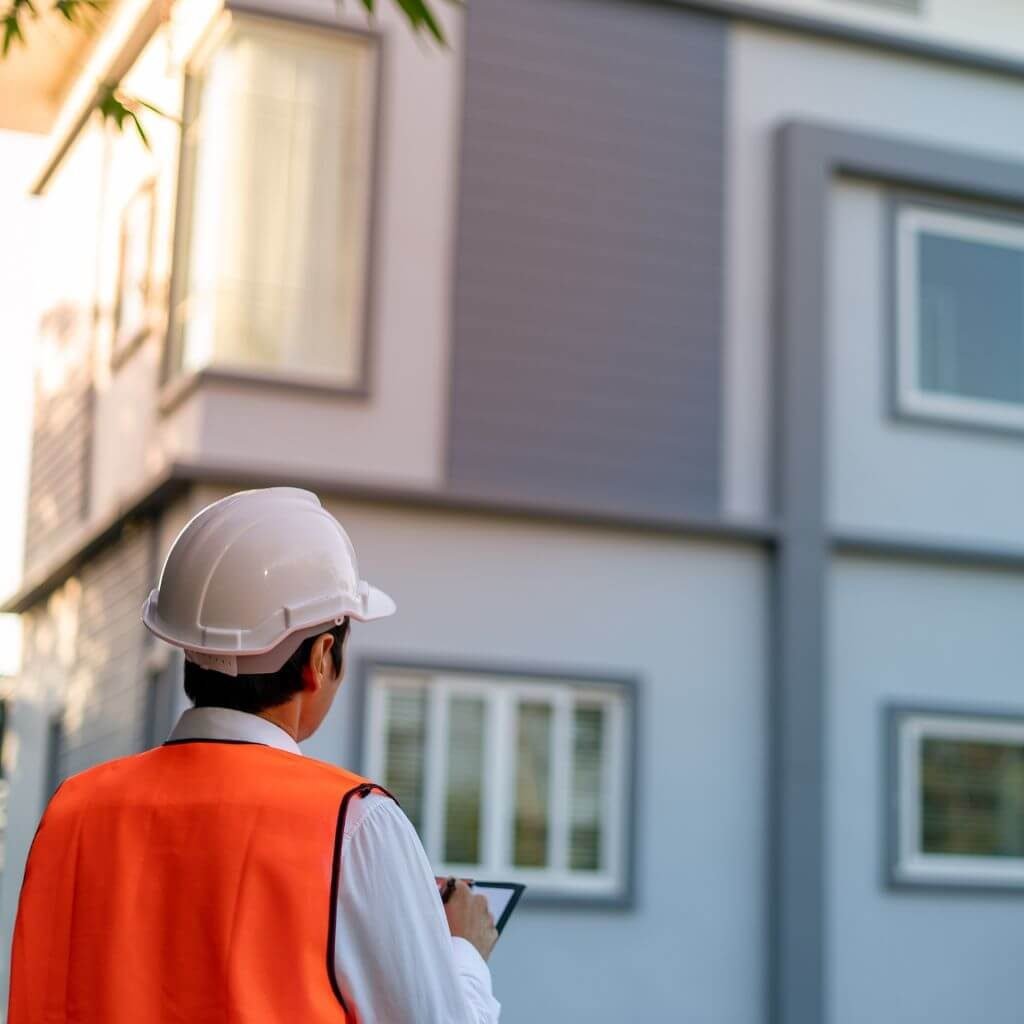
Property inspections are a vital aspect of high-quality rental management, ensuring that both tenants and landlords maintain a safe, clean, and well-functioning living environment. Regular inspections allow property managers to identify maintenance issues, structural concerns, or safety hazards early, preventing minor problems from escalating into costly repairs.
Routine Property Inspections
Routine property inspections are regular checks conducted to monitor the overall condition of a rental property. These inspections typically cover structural elements, plumbing, electrical systems, appliances, and general cleanliness to ensure everything is functioning properly. Conducting routine inspections allows property managers to identify minor issues early, preventing them from escalating into major repairs that could be costly and disruptive. They also ensure that tenants are maintaining the property responsibly according to lease agreements. Clear communication about inspection schedules gives tenants sufficient notice and promotes transparency. Routine inspections help maintain the property’s value, enhance tenant safety, and ensure compliance with local regulations. They also allow property managers to plan and prioritize maintenance efficiently, reducing emergency repairs. By consistently monitoring the property, landlords demonstrate professionalism and commitment to high standards. Tenants benefit from a well-maintained, safe, and comfortable living environment. Overall, routine inspections are essential for fostering trust, protecting property value, and ensuring long-term tenant satisfaction. Routine property inspections are scheduled at regular intervals to monitor the overall condition of the rental unit. These inspections cover structural elements, plumbing, electrical systems, appliances, and general cleanliness.