We found 0 results. View results

EPDM Roofing System

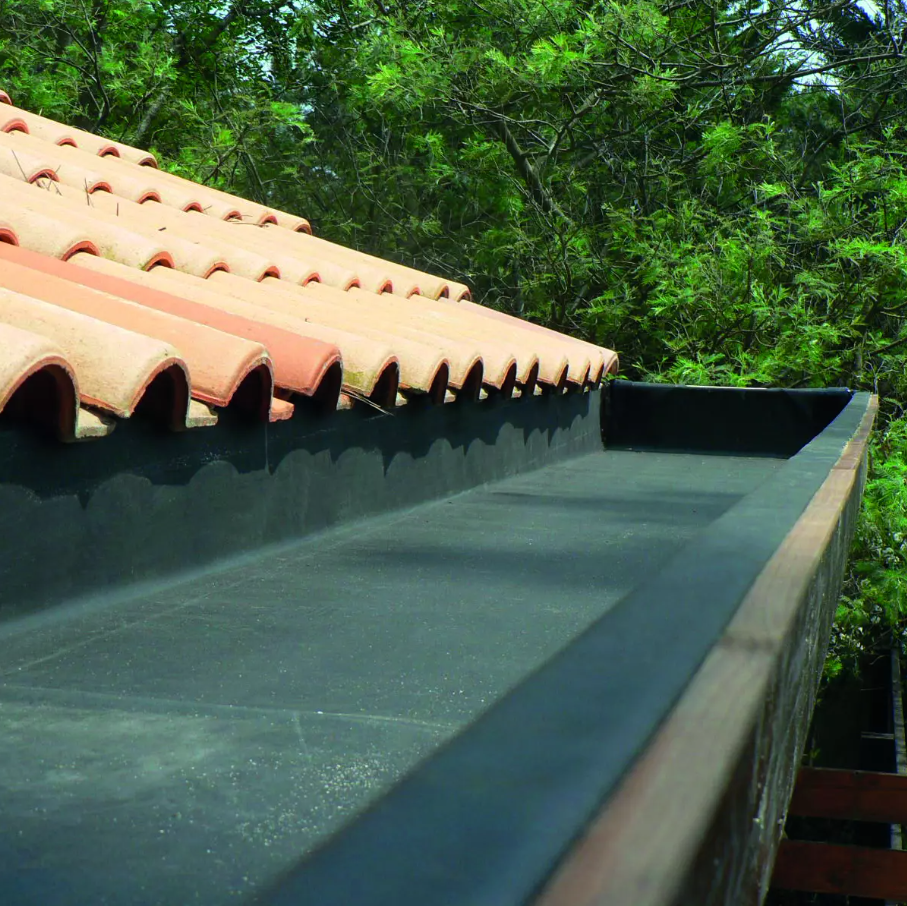
EPDM (Ethylene Propylene Diene Monomer) roofing is a durable, synthetic rubber roofing membrane commonly used in commercial and residential buildings. Known for its flexibility, resistance to weathering, and long lifespan, EPDM offers a reliable solution for flat or low-slope roofs. This roofing material is highly favored for its easy installation and low maintenance.

Benifits of EPDM Roofing

EPDM roofing offers many benefits, making it a popular choice for flat and low-slope roofs. It is highly durable and can last 25–50 years with proper maintenance, while also resisting extreme weather conditions such as heavy rain, snow, strong sunlight, and temperature changes. EPDM is cost-effective compared to many other roofing systems and is lightweight and flexible, which makes installation easier and faster. It requires low maintenance, and small damages can be easily repaired. Additionally, it is energy efficient—white EPDM reflects heat to reduce cooling costs, while black EPDM absorbs heat in colder climates—and it is resistant to UV rays and ozone, helping extend its overall lifespan. maintenance, while also resisting extreme weather conditions such as heavy rain, snow, strong sunlight, and temperature changes. EPDM is cost-effective compared to many other roofing systems and is lightweight and flexible, which makes installation easier and faster. It requires low maintenance, and small damages can be easily repaired. maintenance, while also resisting extreme weather conditions such as heavy rain, snow, strong sunlight, and temperature changes. EPDM is cost-effective compared to many other roofing systems and is lightweight and flexible, which makes installation easier and faster. It requires low maintenance, and small damages can be easily repaired.
maintenance, while also resisting extreme weather conditions such as heavy rain, snow, strong sunlight, and temperature changes. EPDM is cost-effective compared to many other roofing systems and is lightweight and flexible, which makes installation easier and faster. It requires low maintenance, and small damages can be easily repaired.

EPDM Roofing Installation Process

EPDM Roofing Installation Process

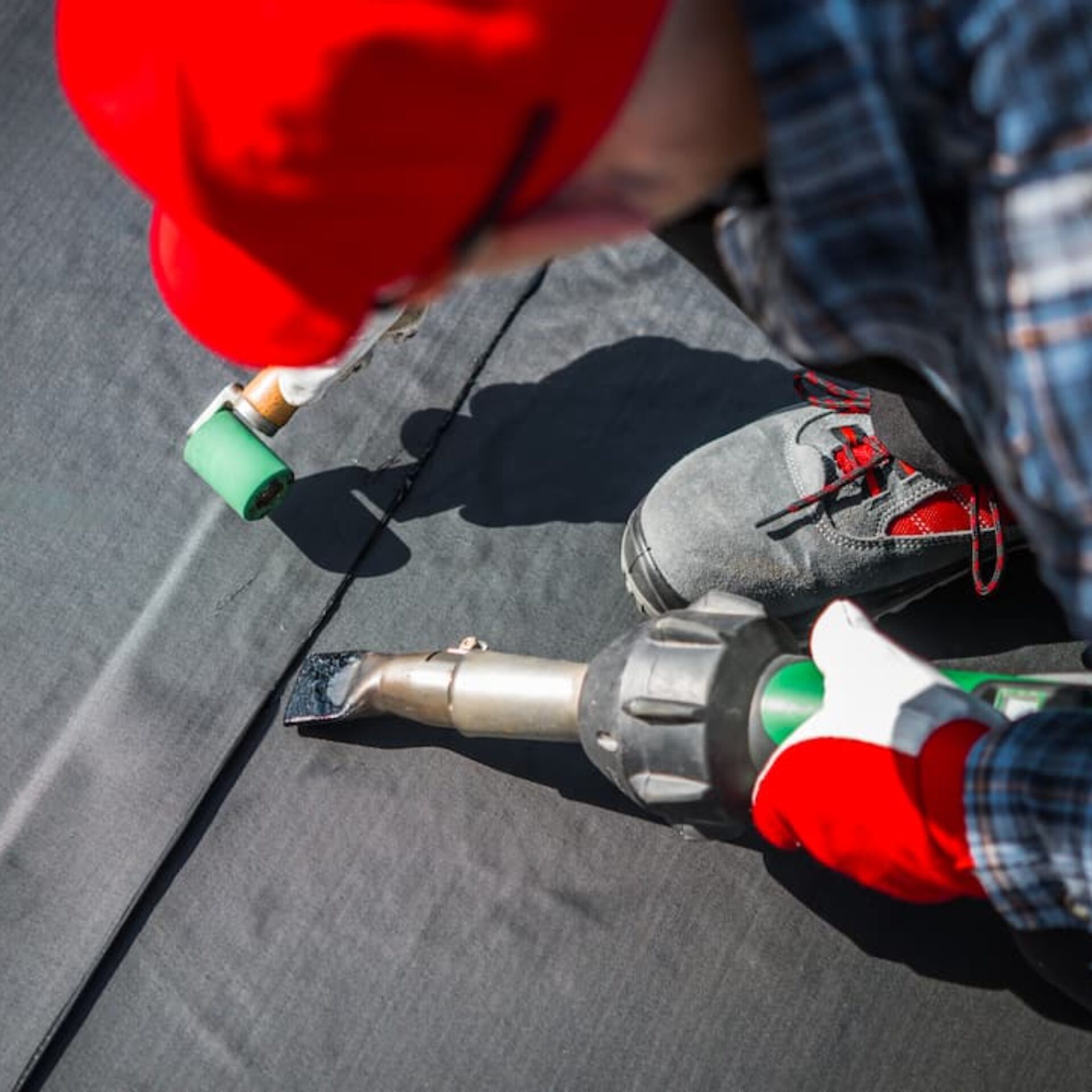
The EPDM roofing installation process starts with preparing the roof surface by cleaning it thoroughly and ensuring it is smooth, dry, and free of debris. Any damaged areas of the roof deck are repaired before installation. Next, insulation boards may be installed to improve energy efficiency and provide a solid base. The EPDM membrane is then rolled out over the roof surface and allowed to relax to remove wrinkles. Depending on the system, the membrane is either fully adhered using special adhesive, mechanically fastened with screws and plates, or ballasted with stones. Seams between sheets are sealed using seam tape or adhesive to prevent water leakage. Finally, flashing is installed around edges, drains, vents, and other roof penetrations to ensure a watertight seal, and a final inspection is done to check for proper adhesion and sealing.

Durability and Longevity of EPDM Roofing

EPDM roofing systems are well-known for their exceptional durability, which is one of the primary reasons they are chosen for commercial and industrial buildings. With a lifespan of 30 to 50 years, these roofs withstand severe weather conditions like heavy rains, snow, and extreme temperatures. The material is impervious to the degradation that typically affects other roofing materials like asphalt. EPDM’s high resistance to ultraviolet (UV) rays prevents cracking, and it also resists ozone damage, making it an excellent choice for areas with high levels of pollution. Additionally, EPDM is highly flexible, which allows it to expand and contract with the changing seasons without compromising its integrity. This resilience to environmental stressors significantly reduces the need for frequent repairs and extends the overall lifespan of the roof.

Cost-Effectiveness of EPDM Roofing

EPDM roofing is an affordable choice, particularly when considering its long-term benefits. While the initial installation cost may be comparable to other roofing options, the durability and low maintenance requirements of EPDM make it a cost-effective solution over the years. EPDM roofs are less prone to costly repairs, and they also offer significant energy savings by reducing cooling costs through their reflective properties. Furthermore, EPDM’s ability to resist weathering means that it requires fewer replacements, unlike asphalt or metal roofs that may need to be replaced more frequently. Additionally, because EPDM roofing can be installed quickly and efficiently, labor costs tend to be lower than those associated with more complex roofing systems. In terms of both installation and upkeep, EPDM proves to be a budget-friendly choice for homeowners and businesses alike.

Environmental Impact of EPDM Roofing

EPDM roofing systems are environmentally friendly, which makes them a preferred choice for eco-conscious consumers. The material itself is fully recyclable, reducing its environmental footprint when the roof reaches the end of its lifespan. EPDM’s reflective surface helps reduce the “urban heat island” effect by reflecting sunlight, which in turn lowers the overall temperature in urban areas and reduces the need for air conditioning. By lowering energy consumption, EPDM roofing can contribute to a building’s overall sustainability. In addition to its energy-efficient properties, EPDM roofs also reduce the likelihood of water runoff problems, as they are designed to handle heavy rain and direct water to drainage systems, preventing flooding or water wastage. These eco-friendly features make EPDM a suitable choice for sustainable construction projects.

Maintenance and Care for EPDM Roofing

While EPDM roofing requires minimal maintenance, regular inspections can help prolong its lifespan and performance. It’s important to check for any signs of damage, such as tears or punctures, particularly after extreme weather events. The seams of the membrane should be checked for any gaps or areas where water could penetrate. Cleaning the roof periodically is essential to prevent the buildup of dirt, leaves, or debris, which can obstruct drainage. Additionally, ensuring that the roof’s drainage system is clear and functional is vital to prevent water pooling, which can lead to long-term damage. Although EPDM is highly resistant to wear and tear, any minor issues should be addressed immediately to avoid costly repairs in the future. With these simple steps, EPDM roofing can maintain its effectiveness for decades.

Ready to Start Your Project?

Our commercial roofing services will be expert, professional, and reliable and would be your partner in securing your business.

TESTIMONIAL

What Clients Say About Us

Jack mycle
Jack mycle@username
Expert steel building maker
John Doe
John Doe@username
Prompt and excellent after sales service
jay cales
jay cales@username
Civoool is the best steel framing structures company
Jack mycle
Jack mycle@username
Expert steel building maker
jay cales
jay cales@username
Civoool is the best steel framing structures company
John Doe
John Doe@username
Prompt and excellent after sales service
John Doe
John Doe@username
Civoool is the best steel framing structures company
Jack mycle
Jack mycle@username
Expert steel building maker
John Doe
John Doe@username
Prompt and excellent after sales service

FAQS

How long does an EPDM roof last?

An EPDM roof typically lasts 25 to 50 years with proper installation and regular maintenance. Its durability and resistance to UV rays and extreme weather help extend its lifespan.

Yes, EPDM roofing is considered environmentally friendly because it is durable, recyclable, and helps improve energy efficiency by reducing heating and cooling costs. Its long lifespan also reduces waste from frequent roof replacements.

EPDM roofing is mainly designed for flat or low-slope roofs, but it can be installed on moderately steep roofs with proper fastening and adhesion. However, it is generally not recommended for very steep slopes where other roofing materials perform better.


No, EPDM roofing requires very little maintenance. Regular inspections and occasional cleaning are usually enough, and small damages can be easily repaired with simple patch kits.

EPDM roofing is fairly resistant to punctures due to its flexible rubber material, but it can still be damaged by sharp objects or heavy foot traffic. Proper installation and protective layers help improve its puncture resistance.

EPDM is a rubber membrane known for durability and lower cost, while TPO is a heat-welded, more reflective membrane that offers better energy efficiency in hot climates. EPDM is a durable, cost‑effective rubber membrane with simpler installation, while TPO is a thermoplastic membrane that often reflects heat better and has heat‑welded seams for strong waterproofing.
EPDM excels in weather resistance and ease of repair, whereas TPO can offer higher energy efficiency in hot, sunny climates.


Compare Listings